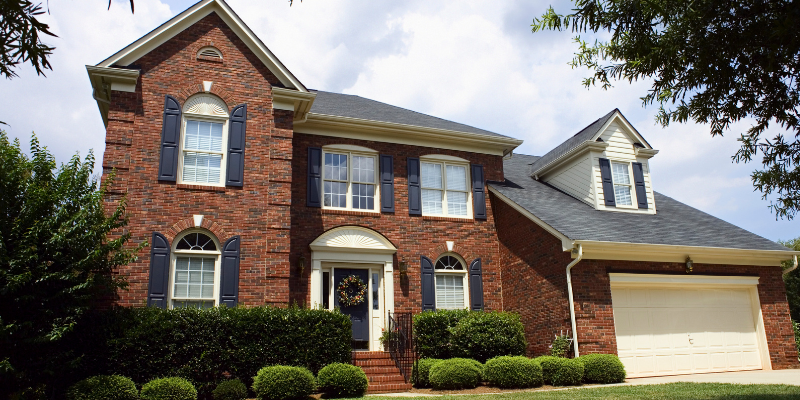
A phone rings on a Tuesday afternoon. A family in Scarborough just lost their mother. The house is paid off, the siblings live in three different cities, and none of them knows who has the right to put a For Sale sign on the lawn. That confusion shows up more often than anyone admits. Handle it wrong and the sale stalls for months, sometimes past a year. The estate pays for every week of probate delay.
So yes, you can sell a house in probate in Ontario. Probate makes it slower, not impossible. The timing, the authority, and the tax bill hinge on details most families never hear about until they’re already stuck.
What Is Probate in Ontario and Why Does It Matter When You Sell a Home
Plenty of articles treat probate like a rubber stamp. It isn’t.
Probate is the legal process that confirms a will is valid and hands the executor authority to manage the deceased’s estate. In Ontario, that authority shows up as one court document, the Certificate of Appointment of Estate Trustee. Without it, the land registry has no way to confirm the executor can actually sign. Most sellers never hear about the certificate until it blocks them.
Here’s the part that catches families off guard. Probate in Ontario isn’t mandatory by default under the statute. It becomes required the moment somebody holding an estate asset refuses to move without it. Banks will do that. So does the land registry when the property sat in the deceased’s name alone.
That last case is the common one. A property registered only in the deceased’s name almost always triggers the full process. Moving the property to a new owner means filing a transmission application on title, and the certificate has to be in hand first. Family agreement doesn’t substitute for it. Neither does a signed listing.
Timing trips up executors more than anything else. The court step alone runs roughly 6 to 8 weeks on average. The rest of the estate work adds another 6 to 10 months. Call it 8 to 12 months start to finish for probate in Ontario, and you’ll be close. Meanwhile, the bills keep arriving. Property taxes, hydro, water, insurance, none of it pauses while a clerk works through a stack of applications. An empty house drains the estate every month it sits. Families in Scarborough or Burlington watching that happen tend to get serious fast, and some turn to Ontario cash buyers when they want to avoid adding more time to an already drawn-out process.
How Title Is Held Determines Everything Before You List

Most executors assume probate is one fixed process every estate marches through. That assumption costs families months of probate they never needed. How the title is held is the single biggest factor in whether probate applies at all.
Three things decide it, and they aren’t evenly weighted. How the property is owned matters most. Whether a valid will exists matters next. After that, it comes down to what the buyer’s lawyer, the lender holding any mortgage, and Ontario’s land registry system demand before a transfer can close.
Joint tenancy is the clean case. A house owned by a couple as joint tenants passes straight to the survivor. No probate. Right of survivorship cuts straight through the estate process. The survivor registers a survivorship application on the title, backed by proof of death, and ownership moves over.
Tenants in common work differently. Each owner’s share belongs to that owner’s estate at death, so the share runs through probate like any other solely owned asset. I’ve watched siblings in Hamilton inherit a parent’s bungalow this way. Six months went to sorting out whose share was whose. Cash house buyers in Brampton and other Ontario cities may also be an option when an estate needs a simpler sale process.
Some assets skip probate in Ontario entirely. Jointly owned property is one. Anything with a designated beneficiary is another, an RRSP or a life insurance policy for instance. Property already sitting in a living trust also passes outside the estate. Pull the ownership record from the land registry system on day one. That single search will shape every decision after it.
Who Has the Legal Authority to List, Accept Offers, and Sign Documents
Dad named one of the kids as executor in his last will, so that person can close a sale on it tomorrow. That’s the assumption. It’s wrong. Probate certificates take weeks or months to arrive, and the sale can’t close without one. An early offer will often fall apart before the paperwork catches up. Selling before that document exists is where sellers get hurt.
Once the Certificate of Appointment lands, the executor holds full legal authority to manage the estate’s assets, sell property, settle the estate’s outstanding debts, and pass what’s left to the beneficiaries under the will. Before it lands, that authority doesn’t exist in any form the land registry system or a buyer’s lawyer will accept. A will speeds things up. It doesn’t skip the court.
There’s a workaround, and executors use it all the time. An estate lawyer can draft a subject-to-probate condition that ties the closing date to the arrival of the Certificate of Appointment of Estate Trustee. Marketing starts now. Closing waits for the certificate. The home gets shown during the weeks the application sits in a queue instead of after.
Who applies for the certificate depends on whether a valid will exists. With a will, the named executor usually applies. Without one, Ontario law gives certain family members priority, and the question shifts from confirming a named person to deciding which relative steps up. That route means applying for a Certificate of Appointment of Estate Trustee Without a Will, which adds a layer and usually adds time.
If you don’t want to wait for a traditional sale, Bloom Homes can make a direct cash offer for the property, subject to the estate’s legal authority and the required probate documentation. That can give executors a simpler path to selling without waiting on a financed buyer.
What the Estate Administration Tax Costs and How It Shapes Your Selling Decisions

Ontario charges the Estate Administration Tax at $15 for every $1,000 of estate value above $50,000, rounded up to the nearest thousand. The first $50,000 is exempt. On an estate valued at $1,000,000, the Ministry of Finance collects $14,250. That’s a five-figure cheque out of the estate before anyone gets a dollar.
At $797,486, Ontario’s average resale price in July 2026 sat 2.9% below where it was a year earlier. A single property at that level pushes most estates well over the line. The tax also works as a deposit paid when the application goes to the Superior Court of Justice, not a bill settled after the property sells. Executors who haven’t set that cash aside end up borrowing against the estate or stalling probate.
One useful wrinkle. The tax applies only if somebody requests and receives a certificate of appointment of estate trustee. No certificate, no Estate Administration Tax. Worth an hour with an estate lawyer whenever probate in Ontario looks avoidable.
Another clock starts once the certificate is issued. Within 180 calendar days, the executor has to file an Estate Information Return with the Ministry of Finance listing the estate’s assets and what they’re worth. Miss it, or fudge the numbers, and the fine runs from $1,000 up to twice the tax the estate owes, with up to two years in jail on the books for the worst cases. Pay for a real appraisal instead of guessing at the property value.
A Step-by-step Plan to Sell an Ontario Home While Probate Is Still in Progress
What happens if the market turns before your certificate shows up? Fair worry. Probate in Ontario moves at its own pace, and sitting still isn’t your only option.
File the probate application the week you have the death certificate and the original will in hand. Every week of delay on the front end is a week added to the back end. While the application sits with the court, get the house appraised by someone who does it for a living. You’ll want a defensible value for the Estate Information Return and for the Ministry of Finance.
Then list the property, with a probate condition written into the agreement of purchase and sale. Sellers can market a home and accept an offer well before the estate trustee has the certificate in hand. What they usually can’t do is close. Buyers who’ve been through a probate sale expect that condition and factor it in. The ones who haven’t sometimes walk, which is worth knowing before you pick between two offers.
Executors pay the Estate Administration Tax when the certificate is issued. The estate keeps covering property taxes, heat, and water the entire time, so push toward closing as fast as the legal calendar allows.
If you want to avoid waiting for probate to finish, contact us to discuss a cash offer for the property. We can provide a straightforward offer and work with your estate’s timeline, so you can move forward without the uncertainty of a traditional sale.
Common Mistakes Executors Make When Selling During Probate in Ontario

Early last year, a family in Oakville called me about their father’s bungalow. Empty since the spring before, it had them carrying two mortgages for close to a year by the time we talked, because two beneficiaries couldn’t agree on whether to sell. The estate had already lost money before a single offer came in. Get the family arguments out in the open before probate even starts. That conversation is hard, and it’s cheaper than eleven months of hydro, water, and city bills on a home nobody lives in.
The second mistake is the reverse problem, moving before the authority exists. Signing a listing agreement with a real estate agent or accepting a firm offer without the Certificate of Appointment creates real legal exposure. A buyer’s lawyer will want proof that the seller can complete the transaction, and trying to sell ahead of probate tends to create delays or kill the closing outright.
Mistake three is undervaluing an estate on the tax filing. Executors do it to shave the bill, and it backfires more often than people expect. Ontario’s Ministry of Finance will audit. A low number saves a few hundred dollars now and costs many times that later. Order the appraisal.
A probate sale isn’t rare. Estates like this move through Ontario courts all the time. Some families would still rather skip the listing while an estate is in probate. Investor house buyers in Mississauga and surrounding Ontario cities can offer another option: a cash sale that takes the showings, repairs, and financing conditions out of the picture, with closing set to land after the certificate arrives. If you’re weighing whether to sell a house in probate, we’re glad to look at the property and lay out what the timeline would look like. No pressure either way, and you don’t have to take the offer.
Frequently Asked Questions
Can a House Be Sold Before Probate Is Complete in Ontario?
You can list the property and accept an offer before probate is complete, but you generally cannot close and transfer title until the Certificate of Appointment of Estate Trustee is in hand. The workaround is a “subject to probate” condition written into the offer, which keeps the sale alive while the court application processes. Your estate lawyer can draft that language properly.
Who Owns a Home During Probate?
During probate, the estate retains ownership of the property, not the executor or any beneficiary. The executor has a duty to manage the property, which means keeping it insured, keeping the property taxes paid, and never treating it as personal property. An executor cannot divert the sale proceeds to themselves beyond what the will leaves them.
What Assets Are Exempt From Probate in Ontario?
Several categories of assets pass entirely outside the estate and are not subject to the Estate Administration Tax. These include jointly held assets with the right of survivorship. RRSPs, TFSAs, and life insurance policies with a specific named beneficiary bypass the estate and the tax completely. Property held in a living trust also avoids the probate process. If you’re unsure whether the home falls into one of these categories, check the land registry documents and speak with an estate lawyer before filing any court applications.
If you’re an executor trying to figure out your next step, or a family member watching carrying costs pile up on an empty house, Bloom Homes is here to talk through your options. No pressure, no obligation. Reach out to us at (289) 402-8086 whenever you’re ready.